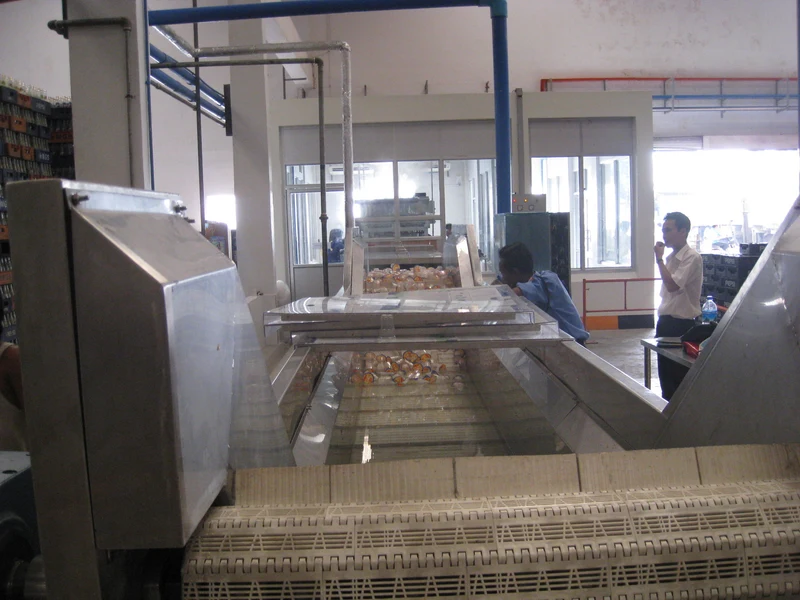
The Line
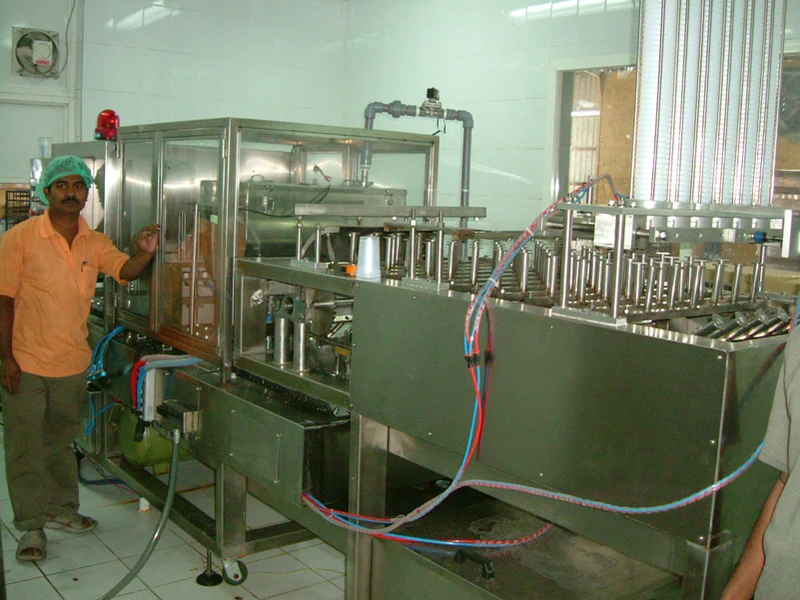
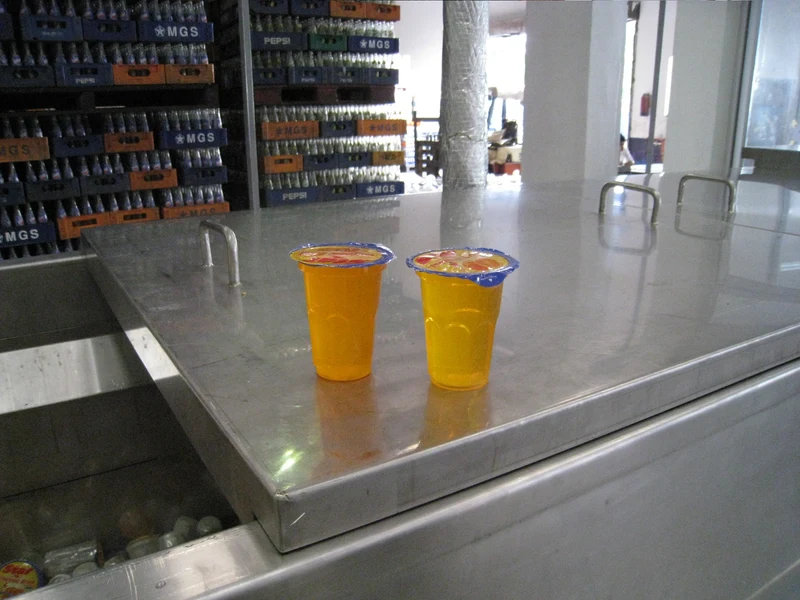
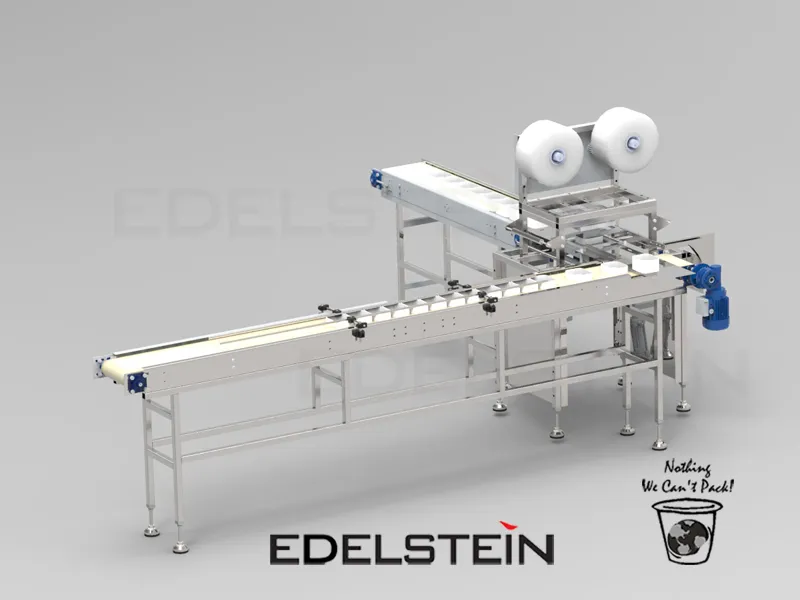
Empty cups are fed into a multi-lane block, filled, and foil-sealed in the same pass before discharge. Running multiple cavities side by side rather than one fast single-lane filler keeps mechanical stress per cavity lower — useful for viscous or particulate-containing drinks that don't tolerate high-speed single-nozzle filling well.
Engineering Notes
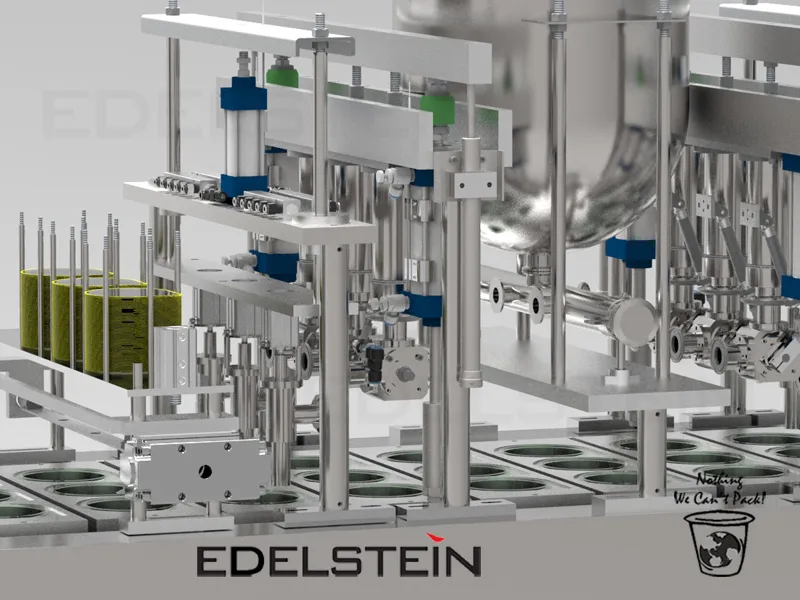
Multi-lane cavity blocks reduce the fill speed each individual nozzle needs to hit, which matters for drinks with pulp or particulates that clog a single high-speed nozzle.
Foil roll changeover and cup size changeover are two separate adjustments — plan for both when estimating changeover time between products.
Seal integrity depends on cup rim flatness as much as on the sealing head itself — cup supplier tolerance matters more on this format than on bottled formats.
Cup filling lines are typically run and adjusted by hand at the sealing head more often than bottle lines — accessible, tool-less adjustment points at that station reduce downtime per shift.
Machinery in This Line
Frequently Asked Questions
-
Can this line handle drinks with pulp or small particulates?
Yes, within a nozzle diameter and particulate size we'd confirm during specification. Multi-lane filling helps here because each cavity fills at a lower individual rate than a single high-speed nozzle would need to, which is gentler on particulate-bearing products.
-
How long does it take to change cup size on this line?
Typically 20–40 minutes for a cavity block and guide change, plus foil roll width if the new cup diameter requires it. We size the changeover parts against your actual cup range during specification so this isn't a guess on the day.
Planning a Cup Filling Line?
Tell us your product, cup format, and target output. Our engineers will recommend the right filling and sealing configuration — at no cost and with no commitment.
Talk to Our Engineers