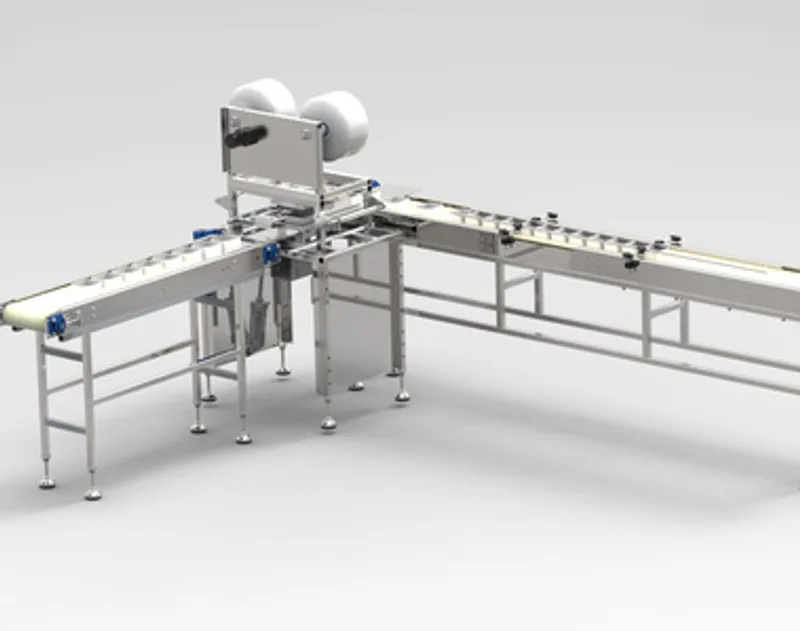
In Production
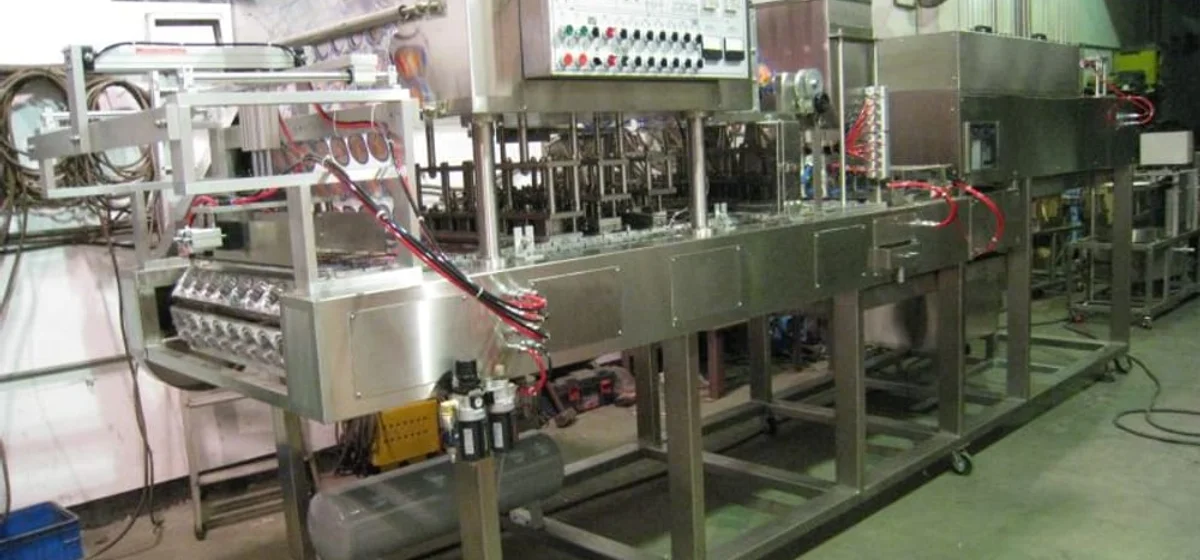
Cup Filling & Washing Line
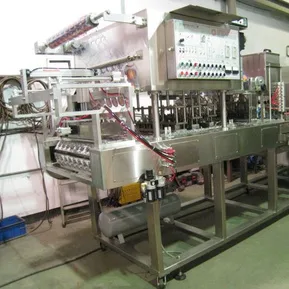
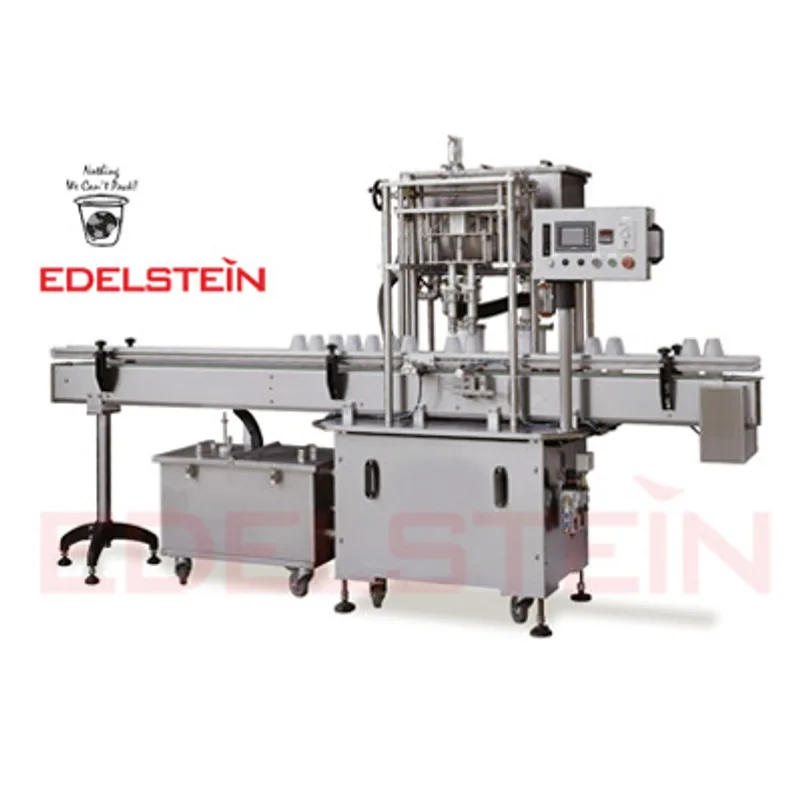
A cup line installed and commissioned by EDELSTEIN, combining cup washing, dosing, and film-sealing in one continuous run.
Cup and tub lines combine dosing and lidding into a single continuous operation — the right technology depends on whether your product is a free-flowing liquid, a viscous cream, or contains particulates.
From single-serve yogurt cups to multi-pack dairy desserts and cosmetic sample pots: EDELSTEIN specifies the dosing method, lidding material, and lane count against your product and output target before any machine is proposed.
Unlike bottle lines, a cup line is usually built around one combined machine — a filler-sealer that doses product and heat-seals a lid in the same cycle, rather than a chain of separate machines.
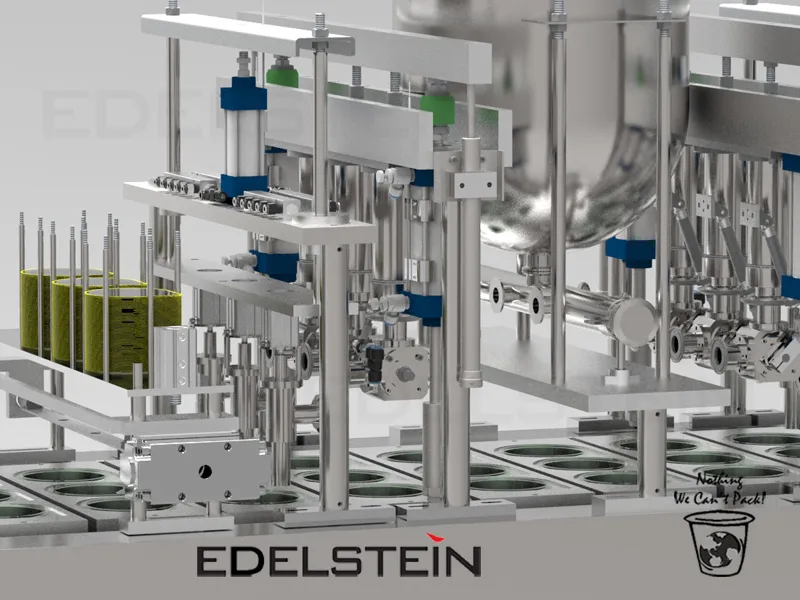
Piston or peristaltic dosing heads deposit a precise volume of liquid, cream, or semi-solid product into each cup or tub as it advances through the machine. A film heat-sealing station then applies and seals a pre-cut or roll-feed lid immediately after dosing — producing a leak-proof, tamper-evident closure in a single pass rather than as a separate downstream step.
Because filling and sealing happen in the same machine, cup lines have a smaller footprint than an equivalent bottle line and fewer transfer points where product can be lost or containers can jam. The trade-off is that dosing method and lidding material must be finalised early — retrofitting a different seal film or dosing head after installation is a bigger change than on a modular bottle line.
Cup and tub filling covers single-serve food, dairy, and personal-care products where the container itself is part of the presentation.
Product viscosity and whether it contains particulates determine dosing method (piston vs. peristaltic pump). Lid film material — PP, PET, or aluminium foil — is selected against the required shelf life and seal temperature.
A cup line moves through five stages, most of them combined into a single rotary or linear filler-sealer frame.
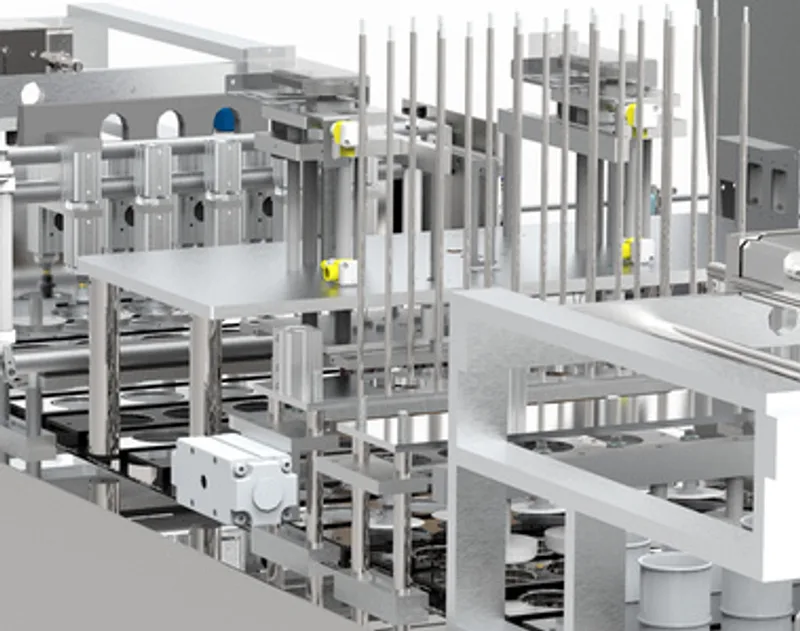
Stacked empty cups or tubs are separated one at a time and placed into the machine's indexing pockets or rotary turret.
Piston or peristaltic pump heads deposit a precise volume of product. Multi-head configurations dose several cups per cycle for higher throughput.
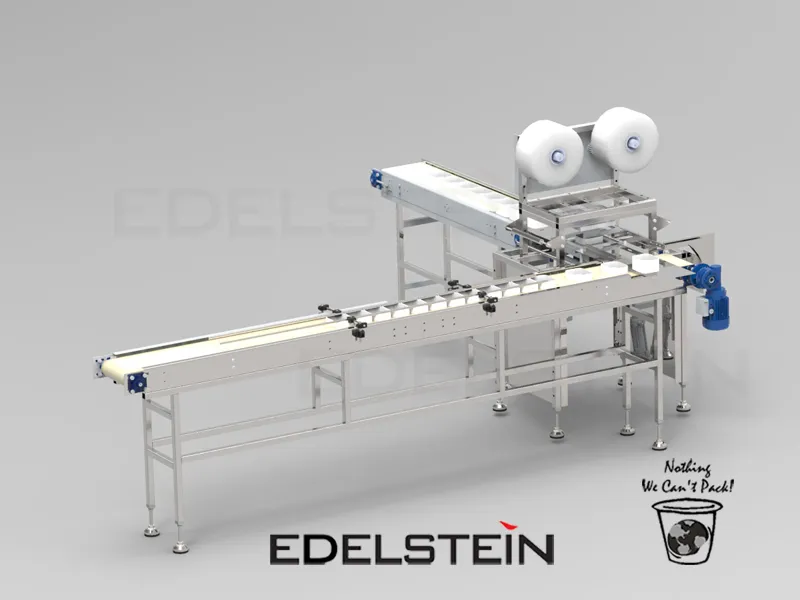
A pre-cut or roll-feed film lid is placed and heat-sealed to the cup rim in the same station, producing a leak-proof closure.
Inkjet or thermal transfer printing applies batch and expiry codes to the sealed lid or cup base.
Sealed cups are grouped into multi-packs or loaded directly into shipping cartons for retail distribution.
A cup line installed and commissioned by EDELSTEIN, combining cup washing, dosing, and film-sealing in one continuous run.
These questions determine dosing method, lane count, and lidding specification before any cup line machine is quoted.
Is the product a free-flowing liquid, a viscous cream, or does it contain particulates (fruit pieces, granules)?
What fill volume range is required, and what dosing accuracy (±%) do you need?
What cup or tub material is used — PP, PS, or PET — and is it pre-formed or thermoformed in-line?
Is a peelable, heat-seal, or foil lid required, and what shelf-life and barrier properties does the product need?
What sealing temperature range is compatible with both the cup material and the product (heat-sensitive dairy vs. ambient-stable products)?
What is the required output (cups per hour), and how many lanes does that require?
Does the product require hot-fill, cold-fill, or aseptic handling?
How many SKUs (cup sizes, lid designs) will run on this line, and how often does changeover occur?
Cup lines combine fewer machines than bottle lines, but each is doing more per cycle. Contact our engineering team for equipment matched to your production requirements.
Separates stacked empty cups and delivers them into the filler's indexing pockets at line speed.
Inkjet or thermal transfer printer integrated at the discharge end for batch and expiry code printing.
Groups sealed cups into retail multi-packs (4-pack, 6-pack) before cartoning.
Loads grouped or individual sealed cups into shipping cartons for distribution.
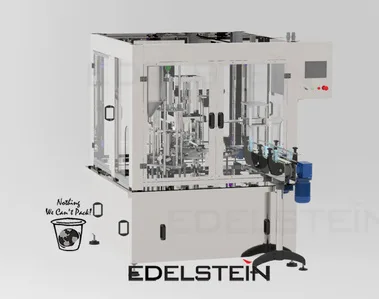
The filler-sealer above is specified from one of three mechanisms, chosen by cup size, lane count, and product type:
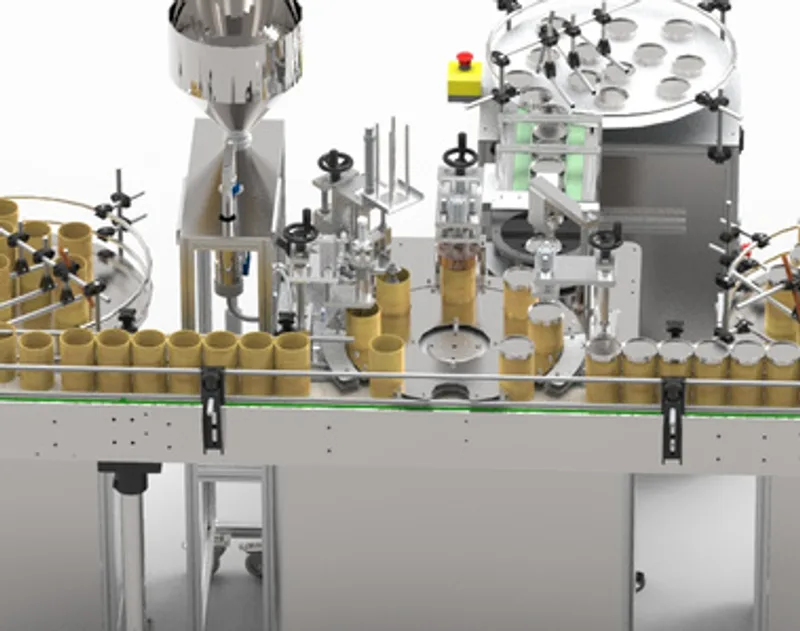
A parallel system to cup packaging for yogurt, cheese spread, cream, and similar products — the extra overcapping step snaps a rigid lid over the sealed rim for added protection, which standard cup lines don't need:
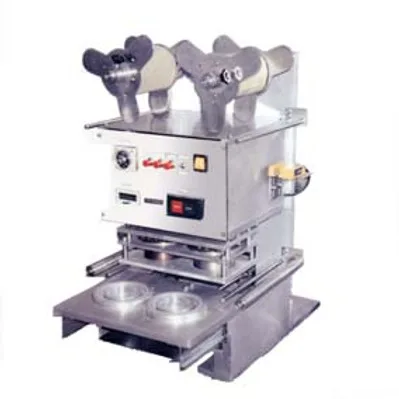
Manual benchtop unit for sealing pre-filled tubs — used for product trials or very low production volumes, the same role a benchtop sealer plays on a cup line.
A filler-sealer doses product and seals the lid in one machine — used when you're producing the filled cup from scratch on your line. A standalone tray sealer only applies and seals the lid onto cups that were already filled elsewhere (for example, by a separate dosing station or manual fill). If you're starting from empty cups, you need a filler-sealer; if product is already in the cup, a sealer alone may be sufficient.
Piston dosing handles both free-flowing liquids and products with small particulates (fruit pieces, granules) reliably. Peristaltic pump dosing is gentler and better suited to shear-sensitive or foaming liquids, but is not recommended for products with particulates that could damage the pump tubing. If your SKU range includes both types, we typically recommend piston dosing as the more flexible default.
PP film is the lowest cost and suitable for short-to-medium shelf life, ambient or chilled products. Aluminium foil provides a stronger oxygen and moisture barrier for products needing extended shelf life. Peelable film is used where the consumer needs to remove the lid without tearing (common in dairy and dessert cups). The choice depends on your product's shelf-life target and whether the seal needs to survive hot-fill or retort processing.
Single-lane cup filler-sealers typically run 3,000–6,000 cups per hour depending on fill volume and product characteristics. Multi-lane linear configurations multiply this output — a 4-lane machine can reach well over 15,000 cups per hour. The right lane count depends on your target output and available floor space.
Share your product, container, fill volume, and output target. Our engineering team will review your requirements and recommend a dosing method, lidding specification, and lane configuration — at no cost and with no commitment.
Start the Conversation